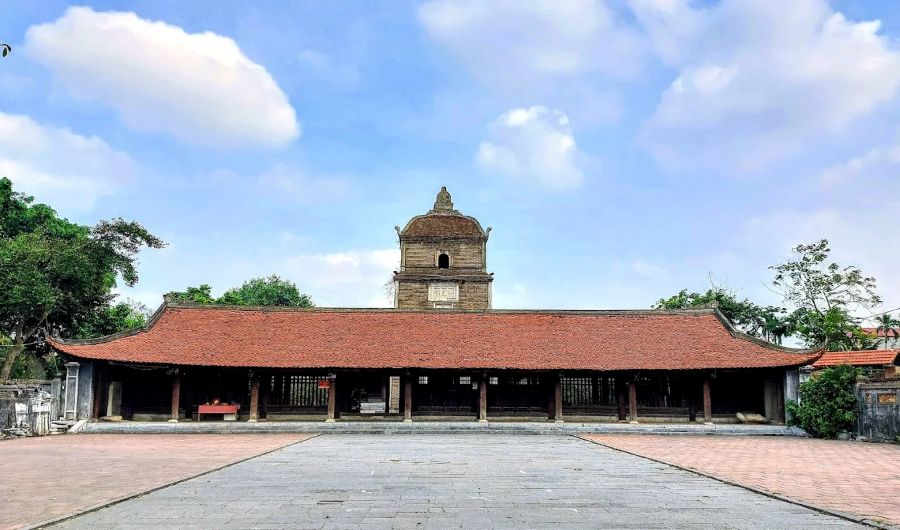
Just an hour from Hanoi, Dau Pagoda offers a fascinating journey into the origins of Buddhism in Vietnam. While many travelers head straight to famous temples and crowded tourist attractions, few realize that one of the country’s most important religious sites lies quietly in the countryside of Bac Ninh Province.
Dating back nearly 2,000 years, Dau Pagoda is widely regarded as one of the oldest Buddhist temples in Vietnam and a key center in the early spread of Buddhism throughout the region. For travelers interested in history, culture, architecture, and authentic local life, it is one of the most rewarding day trips from Hanoi.
A Cradle of Vietnamese Buddhism
Dau Pagoda is located in the ancient region of Luy Lau, once a thriving political, cultural, and commercial center of northern Vietnam during the early centuries AD. Long before Hanoi became the country’s capital, Luy Lau served as a gateway connecting Vietnam with India, China, and other parts of Asia.
Through these trade routes, Buddhist monks and merchants introduced Buddhism to Vietnam. As a result, Dau Pagoda emerged as one of the earliest Buddhist centers in the country, making it a significant landmark in the history of Vietnamese religion and culture.
Walking through the temple grounds today, visitors can still sense the deep historical roots that have shaped Vietnamese Buddhism for centuries.
The Unique Four Dharma Beliefs
What makes Dau Pagoda especially fascinating is its connection to the Four Dharma Deities (Tu Phap), an ancient belief system that combines Buddhism with indigenous agricultural worship.
The Four Deities represent:
- Phap Van – Clouds
- Phap Vu – Rain
- Phap Loi – Thunder
- Phap Dien – Lightning
For generations, local communities prayed to these deities for favorable weather and successful harvests. This unique blend of Buddhism and folk beliefs reflects how foreign religions were adapted into Vietnamese culture, creating traditions found nowhere else in the world.
For many international visitors, this cultural fusion is one of the most intriguing aspects of the temple.
Admire the Historic Hoa Phong Tower
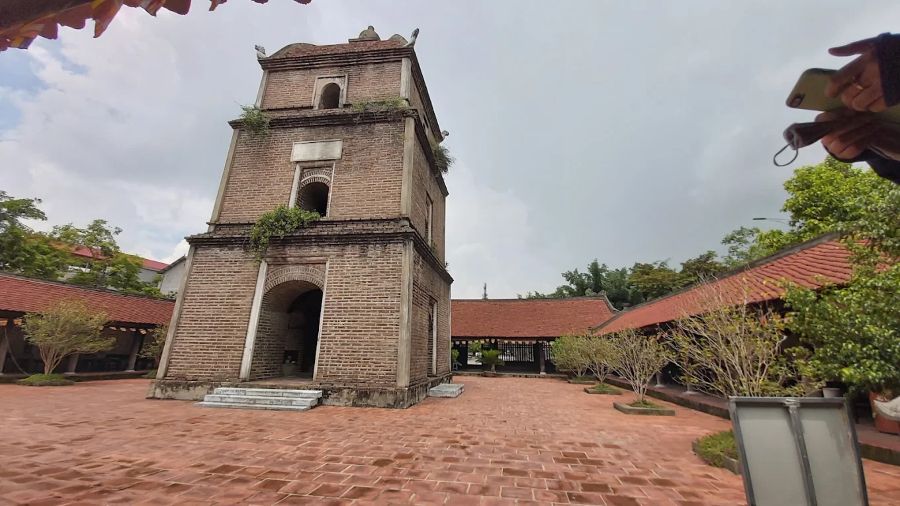
Standing prominently in the temple courtyard is Hoa Phong Tower, the most recognizable symbol of Dau Pagoda.
The ancient brick tower, dating back several centuries, is one of the few remaining structures from earlier periods of the temple’s history. Its elegant architecture creates a striking contrast against the peaceful surroundings and serves as a reminder of the site’s long and remarkable past.
Photographers and history enthusiasts often consider Hoa Phong Tower the highlight of their visit.
Experience the Peaceful Countryside of Bac Ninh
Unlike some of Vietnam’s larger religious attractions, Dau Pagoda remains relatively untouched by mass tourism.
Visitors can enjoy:
- Quiet temple grounds
- Traditional village scenery
- Rice fields and rural landscapes
- Authentic local culture
- A slower pace of life away from the city
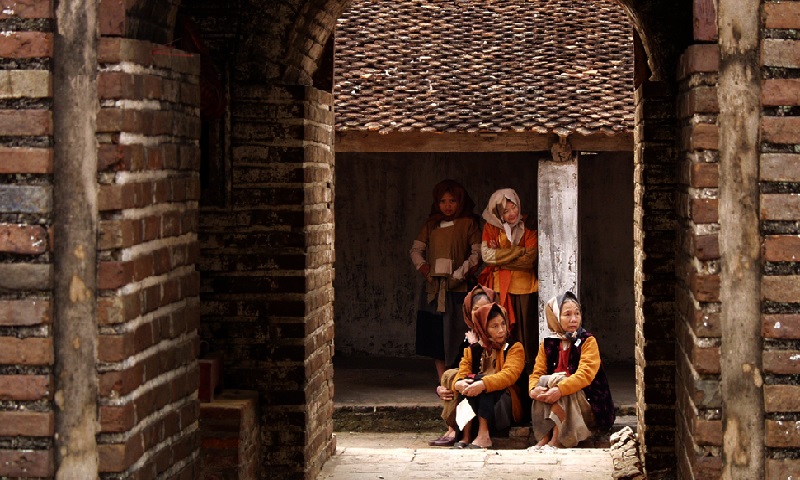
The atmosphere offers a refreshing glimpse into the traditional Red River Delta countryside that many travelers seek but rarely find.
Combine Dau Pagoda with Other Cultural Highlights
Dau Pagoda is often visited as part of a cultural day trip from Hanoi together with several nearby attractions:
- But Thap Pagoda – famous for its wooden architecture and the thousand-armed Avalokitesvara statue
- Dong Ho Painting VillageDong Ho Painting Village – home of Vietnam’s traditional woodblock folk paintings
- Ancient Luy Lau Citadel – one of Vietnam’s earliest urban settlements
- Phu Lang Pottery Village
Together, these sites provide a deeper understanding of northern Vietnam’s history, religion, and traditional arts.
Why Visit Dau Pagoda?
- Explore one of the oldest Buddhist temples in Vietnam
- Learn about the unique Four Dharma belief system
- Admire the historic Hoa Phong Tower
- Discover the origins of Vietnamese Buddhism
- Experience authentic rural life near Hanoi
- Perfect cultural day trip from the capital
For travelers seeking a destination beyond the usual tourist trail, Dau Pagoda offers a rare opportunity to step into nearly two millennia of history while enjoying the peaceful beauty of Vietnam’s countryside.